To achieve our literacy focus and strengthen student writing skills, our staff will take the following steps:
- Collaborative Planning Time
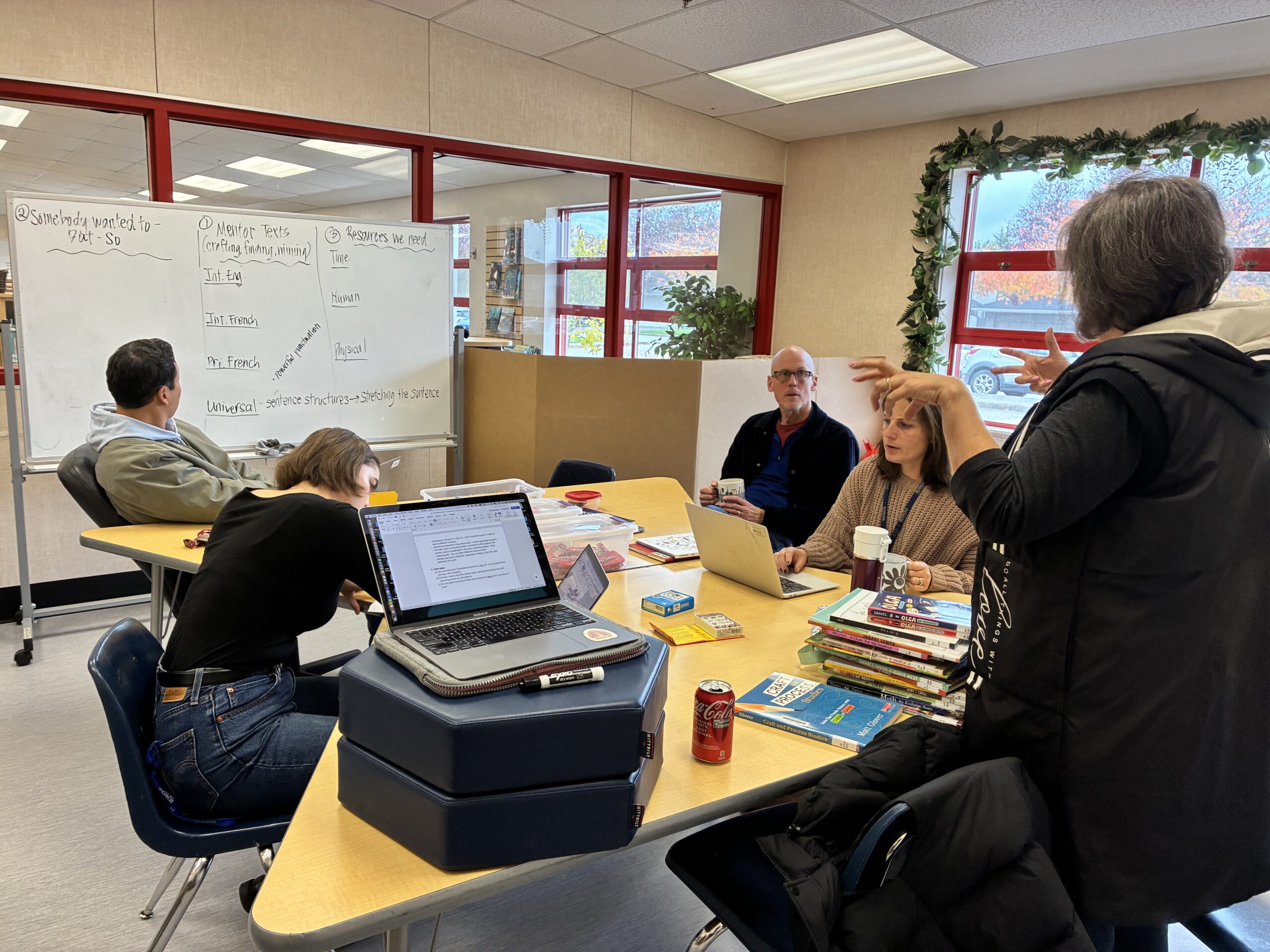
We will use the Literacy Collaboration Grant time approved by the District and RTA (Richmond Teachers’ Union) to plan and refine Writer’s Workshop lessons. This time will allow teachers to share strategies learned from Matt Glover’s Summer Professional Learning Session and align instructional practices across classrooms.
Impact on Student Learning: Consistent, well-planned lessons will ensure students experience a cohesive approach to writing, increasing their confidence and engagement. - Library Collaboration with Teacher Librarian
Teachers will continue to meet regularly with our Teacher Librarian to select mentor texts and design mini-lessons that reflect Matt Glover’s strategies. These sessions will focus on choosing high-quality literature that inspires students and models strong writing techniques.
Impact on Student Learning: Exposure to mentor texts will help students understand what effective writing looks like and provide concrete examples to guide their own work. - Implementation of Writer’s Workshop Structures
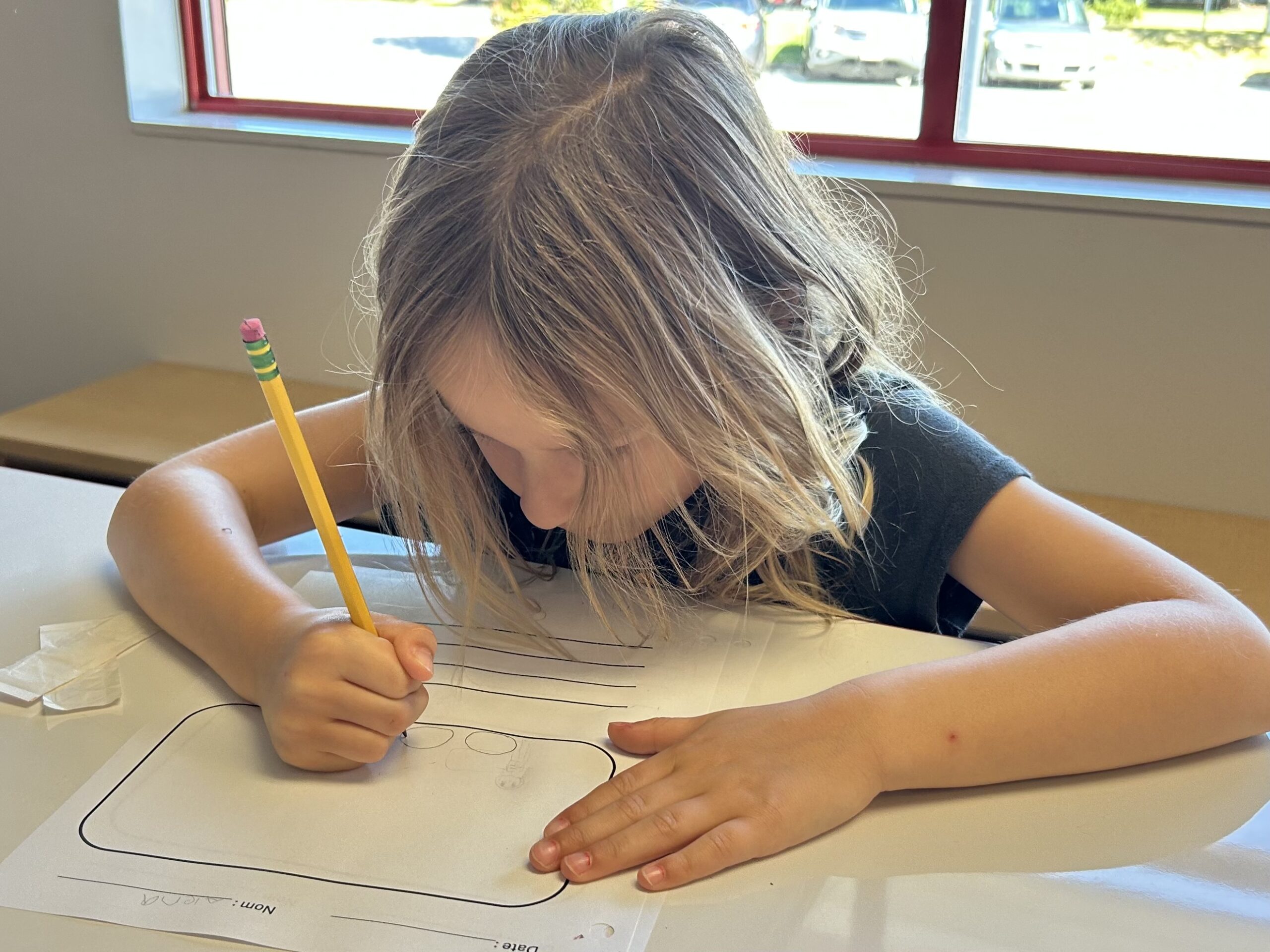
Staff will incorporate key components of Writer’s Workshop, such as choice, conferring, and authentic writing opportunities, into daily practice. Teachers will also use collaboration time to troubleshoot challenges and celebrate successes.
Impact on Student Learning: Students will have more opportunities to write for real purposes, receive personalized feedback, and develop a positive identity as writers. - Ongoing Reflection and Adjustment
Teams will review student writing samples and share observations during collaboration sessions to adjust instruction as needed.
Impact on Student Learning: Continuous reflection ensures that instructional decisions are responsive to student needs, leading to measurable growth in writing skills. - Mentorship/Pro-D Day
Staff currently engaged in Writer’s Workshop will share strategies, successes, and student work samples at our upcoming Professional Development Day with colleagues interested in implementing the approach.
Impact on Student Learning: Mentorship promotes consistency and best practices across classrooms, ensuring more students benefit from effective writing instruction and confidence-building strategies.
To determine the extent to which student learning is improving in literacy through our focus on writing, we will look for evidence in student work, classroom observations, “conferences” with teachers, and student voice.
Following the Summer Professional Learning Session with Matt Glover, many of our staff are deeply engaged in implementing Writer’s Workshop strategies. These strategies emphasize student choice, authentic writing experiences, and building confidence as writers. We expect to see students taking greater ownership of their writing, experimenting with ideas, and demonstrating increased stamina during writing sessions.
What we hope to see and hear:
- Student Learning: Writing samples will show growth in idea development, organization, and voice rather than just mechanics. Students will begin to use mentor texts and strategies modeled during mini-lessons to enhance their writing.
- Student Behaviour: Students will approach writing tasks with enthusiasm and persistence, spending more time engaged in the writing process (drafting, revising, and sharing). We anticipate fewer instances of “I don’t know what to write” and more evidence of risk-taking in writing.
- Student Voice: Through conferences and reflections, students will express confidence in themselves as writers and articulate the strategies they are using (e.g., “I tried adding details like you showed us” or “I used a mentor text to help me start my story”).
We will gather evidence through writing portfolios, teacher observations during Writer’s Workshop, and student self-assessments. Progress will be monitored over time to ensure that students are not only improving in technical skills but also developing a positive identity as writers.